

How long have lab grown diamonds been around?
Lab-grown diamonds may feel like a modern innovation, but their story stretches farther back than most people expect. Today, they’re celebrated for their beauty, precision, and value—yet their origins trace through decades of scientific progress and craftsmanship. At Nazar’s & Co. Jewelers, we believe understanding this history empowers you to choose fine jewelry with confidence and appreciation.
This guide offers a clear, approachable look at how long lab-grown diamonds have been around, how they evolved into the exceptional gemstones you see today, and why they hold a meaningful place in our designer collections and in-house creations.
The First Lab-Grown Diamonds: 1950s Scientific Breakthrough
Most people are surprised to learn that lab-grown diamonds were first created in the 1950s, not the 2000s.
General Electric produced the first confirmed lab-grown diamond in 1954.
These early diamonds were:
-
Extremely small
-
Non-gem quality
-
Intended for industrial tools and heat conduction
Their purpose was functional, not decorative. But this milestone marked the beginning of a long, meticulous journey toward creating diamonds with the brilliance and elegance we associate with fine jewelry.
Gem Fact:
Early lab-grown diamonds were produced using High Pressure, High Temperature (HPHT) methods—replicating the intense heat and pressure found deep within the earth.
From Industrial Material to Fine Jewelry: 1980s–2000s
Though scientists continued refining the process during the 1960s and 70s, it wasn’t until the 1980s and 1990s that lab-grown diamonds became clear enough for limited jewelry use.
Key advances included:
-
Improved HPHT technology
-
Enhanced purity control
-
Early breakthroughs in colorless diamond growth
Still, these diamonds were rare, costly to produce, and inconsistent in quality.
Everything changed with the rise of CVD (Chemical Vapor Deposition) technology.
The Modern Era: CVD Technology Transforms the Industry (2000s–Present)
CVD brought stability, control, and exceptional clarity—allowing diamonds to grow with fewer imperfections and more predictable results.
By the early 2000s, high-quality lab-grown diamonds reached the fine jewelry world with:
-
Higher brilliance
-
Better color grades
-
Sizes suitable for center stones
Today, both HPHT and CVD diamonds meet the rigorous standards required for luxury jewelry—standards embraced by Nazar’s & Co. Jewelers for clients who desire beauty, value, and modern craftsmanship.
Design Insight:
CVD diamonds grow layer by layer under a low-pressure plasma environment, allowing jewelers to achieve remarkable symmetry and polish in the final cut.

How Long Have Jewelry-Quality Lab Diamonds Been Available?
While the technology originates in the 1950s, fine jewelry–grade lab-grown diamonds have only been widely available for about 15–20 years.
This distinction is important:
Total history: ~70 years
Modern, luxury-era history: ~20 years
Their relatively recent rise in jewelry is part of what makes them exciting—they represent both innovation and artistry, characteristics deeply valued in today’s fine jewelry landscape.
Why Lab-Grown Diamonds Are Popular Today
At Nazar’s & Co. Jewelers, clients choose lab-grown diamonds for several reasons:
1. Brilliant Light Performance
Lab-grown diamonds exhibit the same fire, scintillation, and sparkle as natural diamonds because they share the same crystal structure.
2. Exceptional Value
You often receive a larger or higher-quality diamond within your preferred budget.
3. Designer Flexibility
Their consistency allows our in-house design team to create:
-
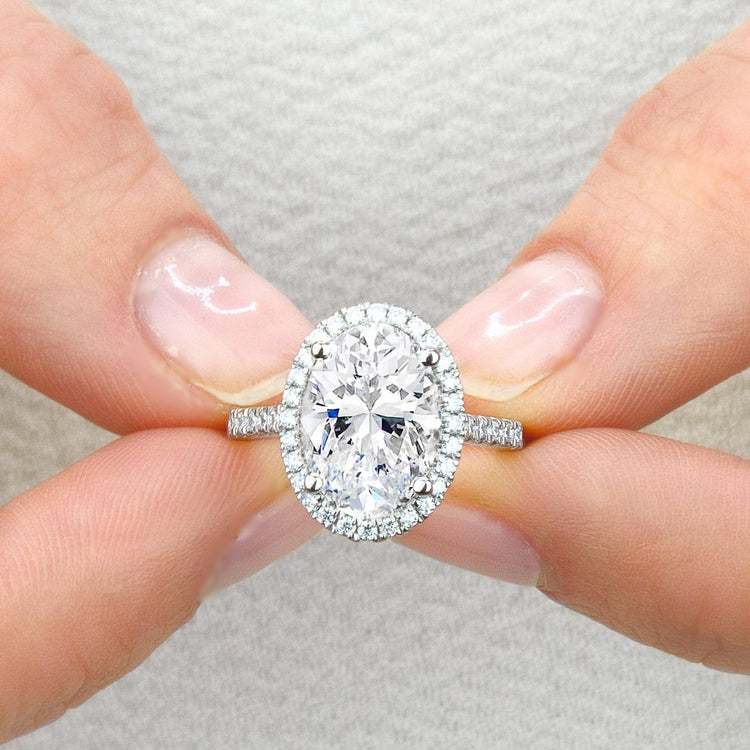
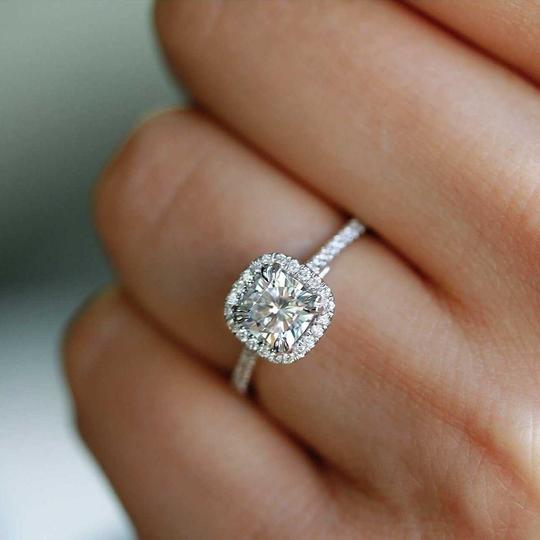
Intricate halo styles
-
Bold statement rings
-
Fine jewelry pieces featuring perfect matched stones
Designer Spotlight:
Lab-grown diamonds allow our team at Nazar’s & Co. Jewelers to experiment more freely with custom jewelry creation, offering clients breathtaking pieces crafted exactly to their vision.
Common Questions About Lab-Grown Diamond History
“Are lab-grown diamonds new?”
Not at all—scientists have been creating them since the 1950s.
“Are today’s lab diamonds better than early versions?”
Entirely. Modern CVD and HPHT diamonds achieve exceptional clarity, color, and symmetry—worthy of fine jewelry and luxury designs.
“Do lab-grown diamonds last as long as natural diamonds?”
Yes. They are identical in hardness and structure, making them equally durable for everyday wear.
“Can lab-grown diamonds be certified?”
Yes. Reliable organizations like IGI and GIA grade lab-grown diamonds, ensuring consistency and transparency.
How the History of Lab-Grown Diamonds Shapes Today’s Jewelry Trends
The decades-long scientific progress behind lab-grown diamonds helped create today’s landscape of:
-
Larger diamond centers
-
More dramatic halos
-
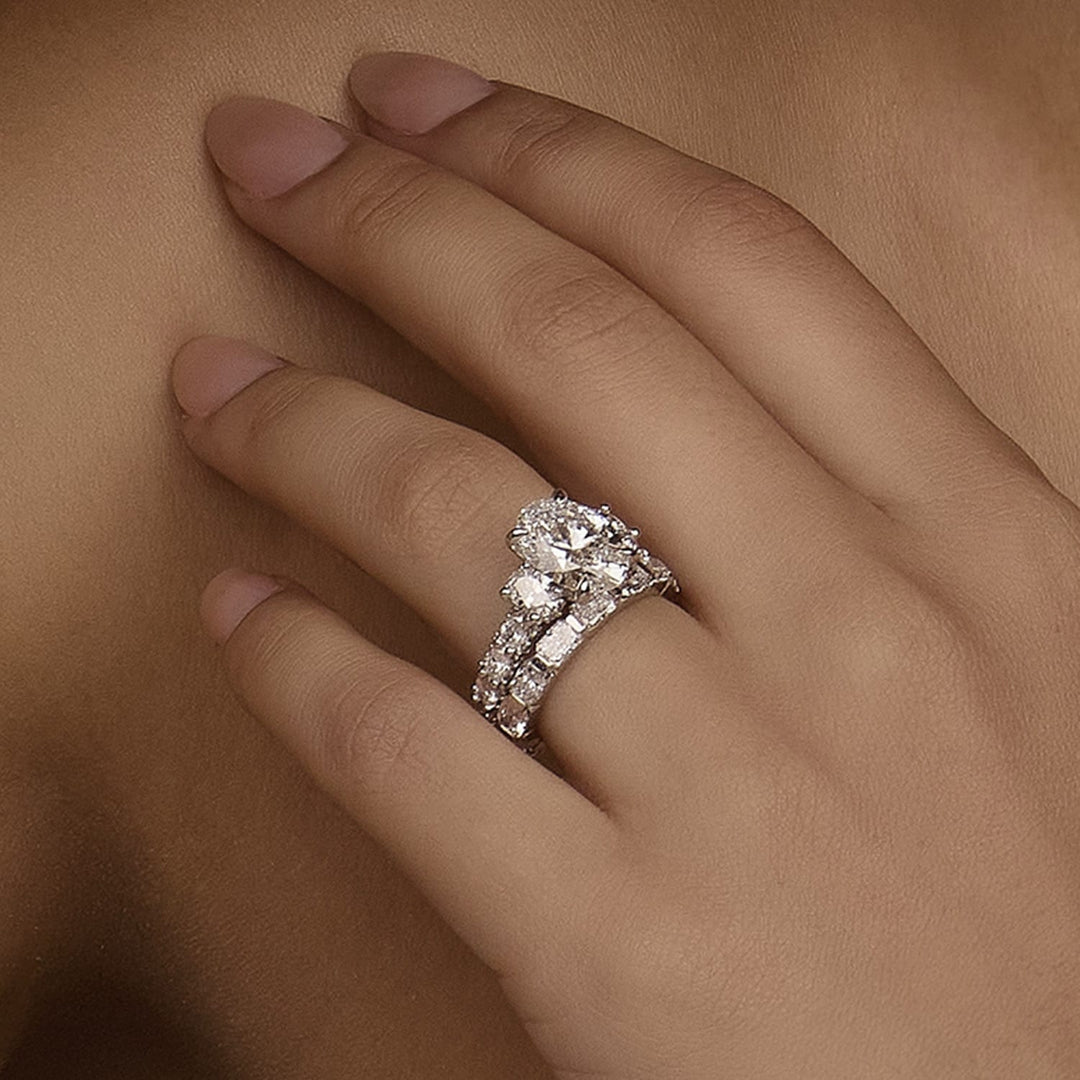
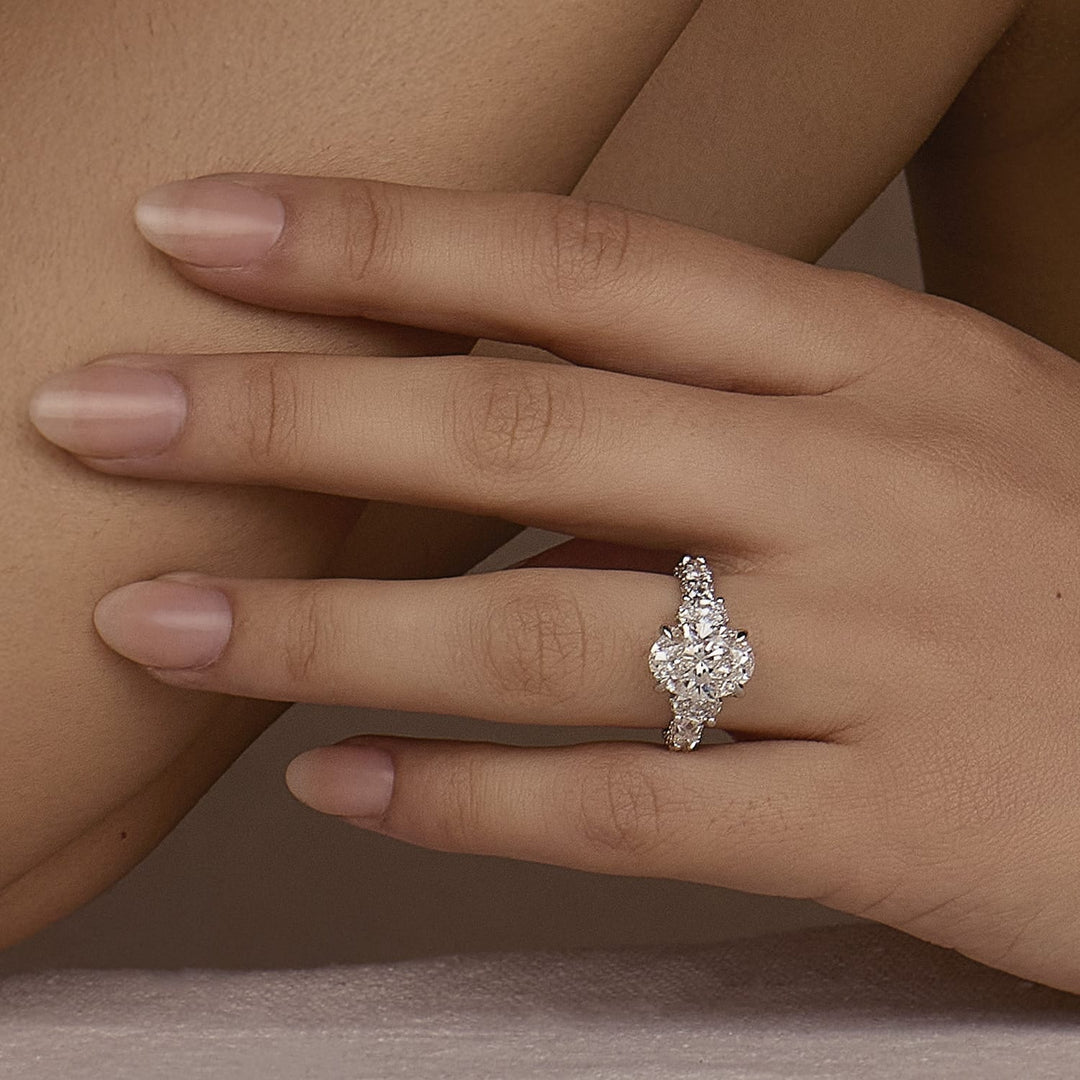
Elevated three-stone rings
-
Designer collections with matched side stones
-
High-quality fine jewelry at approachable price points
This expanded creative freedom allows Nazar’s & Co. Jewelers to curate diverse, elegant pieces that suit every style—from classic solitaires to bold, modern designs.
From the Jeweler’s Bench:
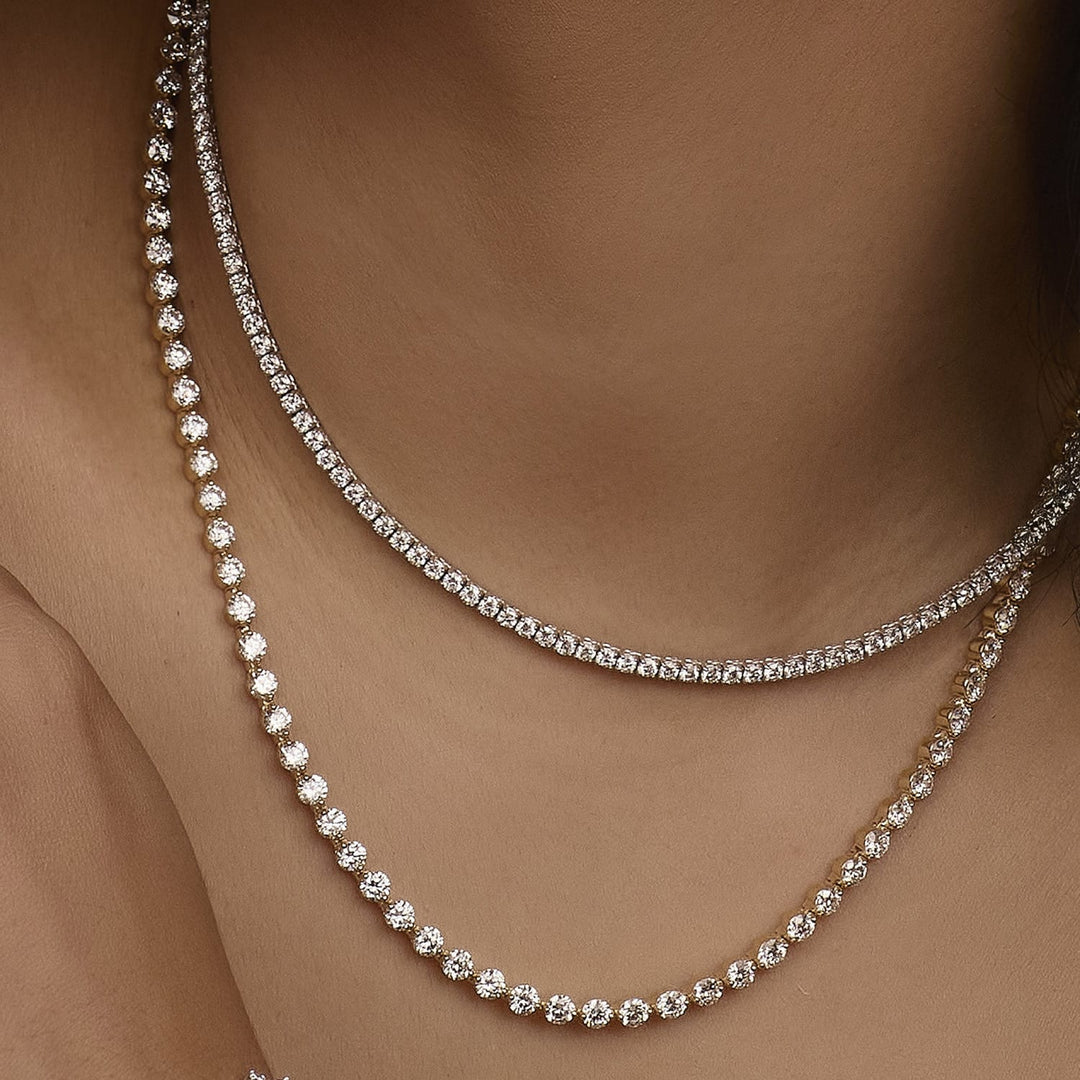
Because lab-grown diamonds can be grown with specific sizes and clarity grades in mind, crafting perfectly matched tennis bracelets and line necklaces has become more accessible than ever.
Conclusion: A Modern Gem with a Remarkable History
Though rooted in mid-century scientific discovery, lab-grown diamonds have evolved into one of today’s most exciting fine jewelry options. Their journey spans innovation, craftsmanship, and a dedication to precision—qualities reflected in every lab-grown diamond we offer.
At Nazar’s & Co. Jewelers, we celebrate both tradition and innovation. Whether you are exploring lab-grown diamonds for an engagement ring, a special gift, or a one-of-a-kind custom design, our knowledgeable staff is here to guide you with exceptional customer service and a luxury shopping experience.
Discover our stunning collection of lab-grown and natural diamonds, explore our designer offerings, or create your one-of-a-kind piece at Nazar’s & Co. Jewelers today.