


How To Buy A Loose Diamond?
Buying a loose diamond means you are choosing the stone before the ring. That gives you full control over quality, appearance, and value—but it also means you need to understand what actually matters.
The right way to approach it is simple: start with what you want the diamond to look like, then use the technical factors—cut, shape, color, clarity, and carat—to achieve that result.
When you do it this way, you stop guessing and start making intentional decisions.
Start With The Outcome, Not The Specifications
Before you look at grading reports, ask yourself:
-
Do you want maximum sparkle?
-
Do you want the diamond to look as large as possible?
-
Do you prefer a soft, elegant look or a bold, modern presence?
These answers will guide every decision that follows.
A common mistake is starting with “I want a 1.5 carat, G color, VS1 clarity.” That approach often leads to overpaying for things you may not actually see.
Instead, define the visual goal first. Then build toward it.
Cut: The Factor That Controls Everything You See
Cut is the most important characteristic of a loose diamond. It determines how light enters, reflects, and returns to your eye.
But what matters is not just the grade—it is how the diamond performs.
What A Well-Cut Diamond Looks Like
-
Bright, even light across the surface
-
Strong contrast (light and dark areas working together)
-
No dull or “glassy” zones
What To Watch For
Even within “Excellent” cut grades, diamonds can look different.
Some appear:
-
Too dark in the center (light leakage)
-
Too bright but flat (lack of contrast)
This is why viewing the diamond matters. At this level, cut is not just a grade—it is a visual experience.
Expert Tip
If you have to prioritize one factor, prioritize cut. It influences size appearance, brilliance, and overall beauty more than any other characteristic.
Shape: How The Diamond Lives On The Hand
Shape is often seen as a style choice, but it is also a performance decision.
Different shapes handle light—and size—very differently.
If You Want Maximum Sparkle
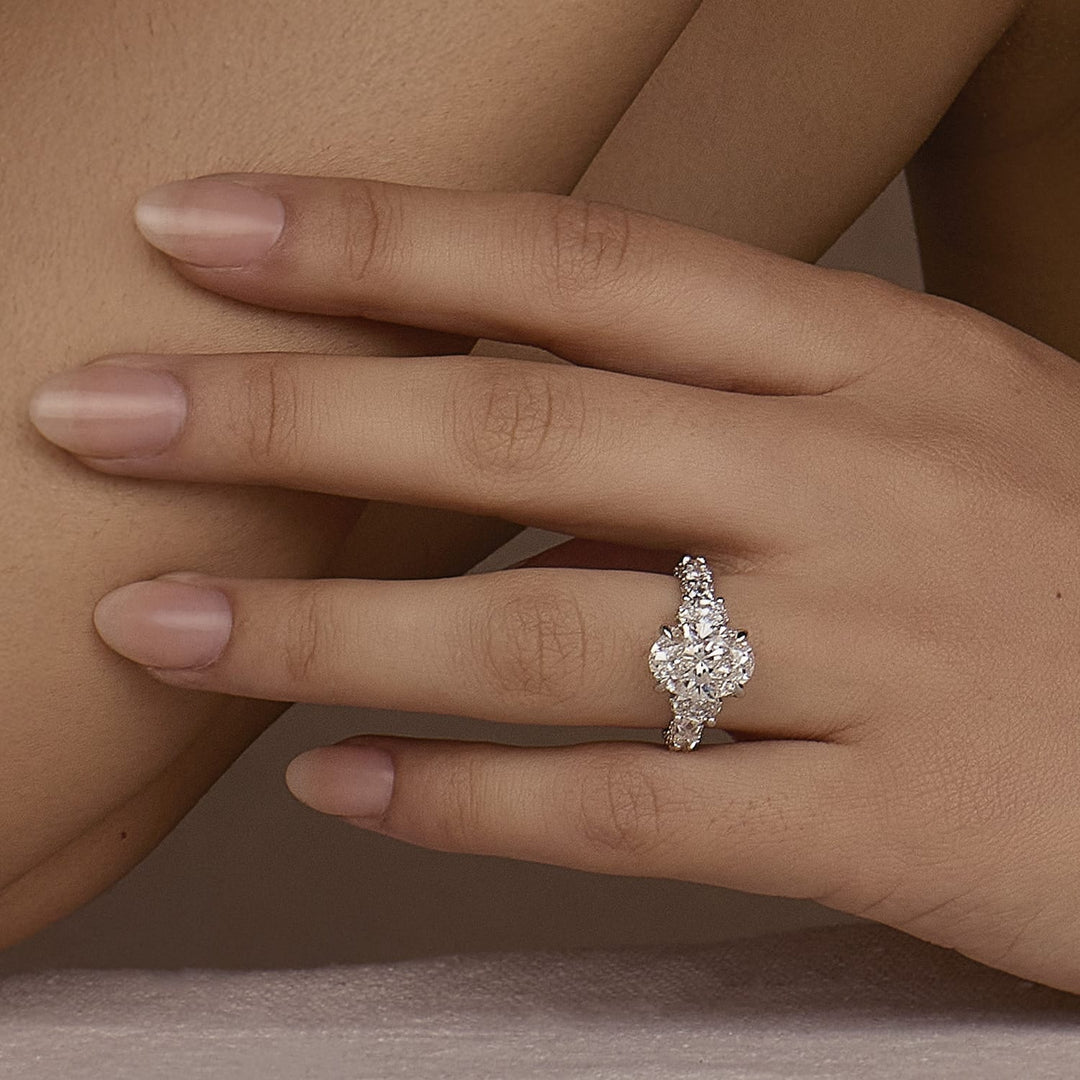
Round brilliant is unmatched in light return
If You Want A Larger Look For The Same Carat
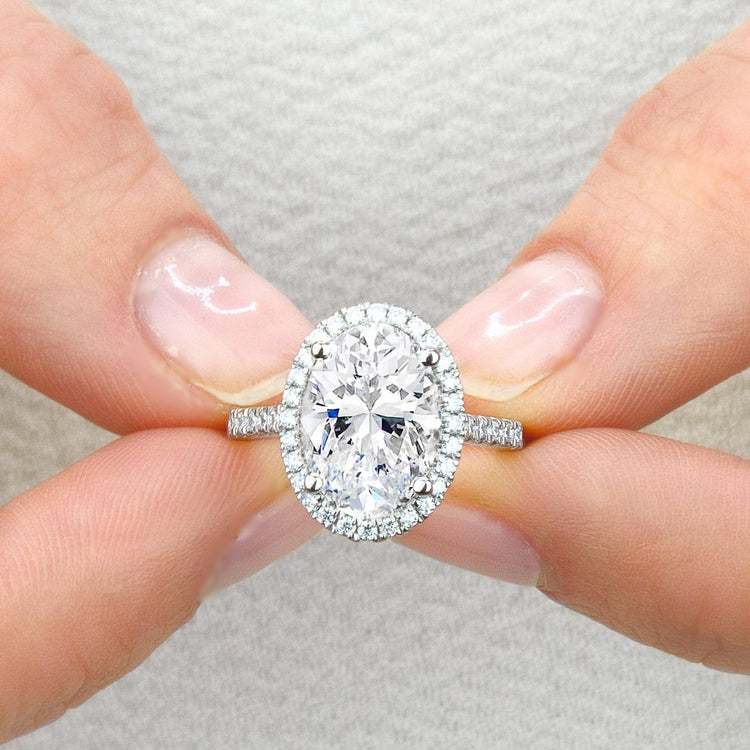
Oval, pear, and marquise spread weight across the surface
If You Want A Softer, More Romantic Look
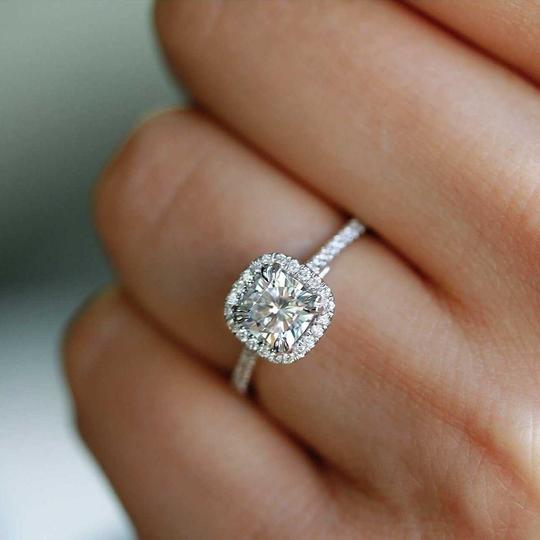
Cushion cuts offer a balance of brilliance and depth
If You Prefer Clean, Architectural Lines
Emerald and Asscher cuts emphasize clarity and structure
Each shape requires a slightly different strategy when choosing color and clarity. That is where things become more nuanced.
Color: What You See Versus What Is Graded
Color grading measures how colorless a diamond is—but what you actually see depends on context.
What Most Clients Notice
-
Warmth from the side (especially in larger diamonds)
-
Differences when comparing stones side by side
What Most Clients Do Not Notice
Subtle differences between adjacent grades once the diamond is set
Practical Insight
-
In white gold or platinum, staying in the near-colorless range (G–I) often looks crisp and bright
-
In yellow or rose gold, slightly lower color grades can still appear beautifully white
The key is balance. You want a diamond that looks clean to your eye—not one that is technically perfect on paper.
Clarity: Understanding What “Eye-Clean” Really Means
Clarity becomes more intuitive once you stop thinking in grades and start thinking in visibility.
What Matters Most
-
Can you see anything without magnification?
-
Where is the inclusion located?
-
Does it affect light performance?
What Often Does Not Matter
-
Microscopic inclusions that require magnification
-
Minor inclusions near the edges that will be hidden by the setting
At most sizes, a VS or even SI1 diamond can appear completely clean.
From The Jeweler’s Bench
We often recommend choosing the lowest clarity grade that still looks clean to your eye. This allows you to invest more in cut or size, where the difference is visible.
Carat: Size Versus Presence
Carat is straightforward in theory—it is weight. But what you perceive is size and presence.
Why Two Diamonds Of The Same Carat Look Different
-
Cut proportions affect spread
-
Shape affects surface area
-
Depth can hide weight where you cannot see it
Smart Ways To Approach Carat
-
Consider slightly below milestone weights (e.g., 1.90 vs 2.00 carats)
-
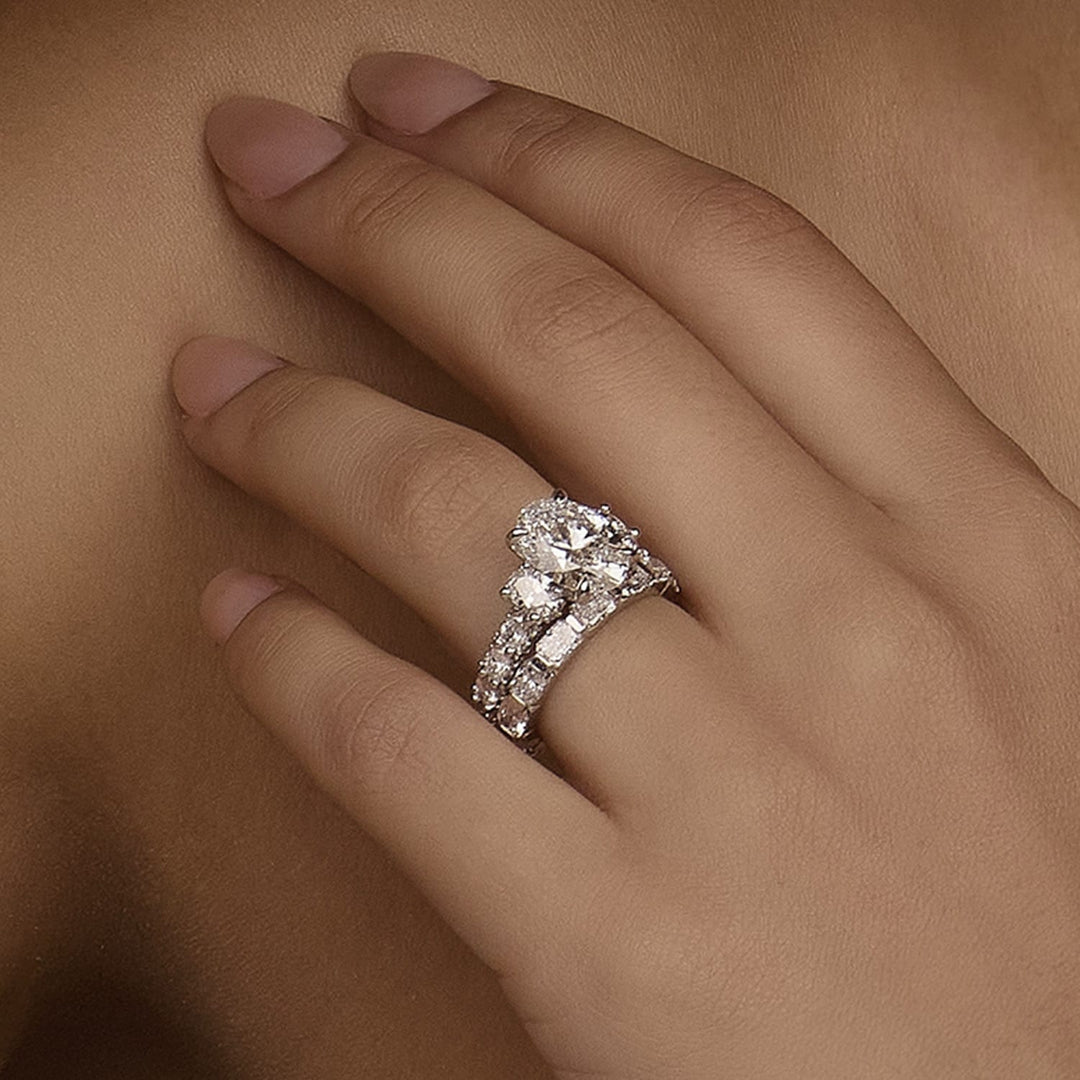
Focus on how the diamond looks on the hand, not just the number
-
A well-proportioned diamond often feels larger and more balanced than a heavier one.
Certification: Your Baseline, Not Your Decision
A grading report confirms what the diamond is. It does not tell you how it looks.
Use certification to:
-
Verify quality
-
Compare options consistently
-
Understand the technical profile
-
But always pair it with real observation.
Two diamonds with identical reports can still look very different.
How These Factors Work Together
This is where most decisions are made.
You are not choosing “the best diamond.” You are choosing the best combination for your priorities.
Example Trade-Offs
-
Slightly lower clarity: allows for larger size
-
Slightly lower color: allows for better cut
-
Smaller carat: allows for higher overall quality
The goal is not perfection in one category. It is harmony across all of them.
A Simple Decision Framework
When evaluating a loose diamond, move in this order:
-
Does it look right? (brilliance, balance, presence)
-
Is the cut strong? (light performance)
-
Is it clean to the eye? (clarity)
-
Does the color feel appropriate? (based on setting and preference)
-
Does the size match your expectation?
If a diamond checks all five, it is worth serious consideration.
Nazar's & Co. Jewelers Perspective
Buying a loose diamond is about clarity—both in the diamond and in your decisions.
The most successful purchases happen when you understand what you are looking for before you look at specifications.
At that point, the process becomes focused. You are no longer comparing dozens of options. You are recognizing the one that aligns with your vision.
Final Thoughts
A loose diamond gives you the freedom to build your ring intentionally.
When you understand how cut, shape, color, clarity, and carat interact, you gain control over both appearance and value.
If you are ready to explore loose diamonds, we invite you to compare options in person and create your one-of-a-kind piece with Nazar's & Co. Jewelers.