


How to clean jewelry at home?
If you want to clean jewelry at home, the safest approach for most pieces is warm water, mild dish soap, a soft brush, and a gentle touch.
That simple method works well for many gold jewelry pieces, diamond rings, diamond earrings, and other durable fine jewelry.
However, not all jewelry should be cleaned the same way.
The metal matters.
The gemstones matter.
The age of the piece matters.
At Nazar's & Co. Jewelers, many clients are surprised to learn that some of the most common jewelry-cleaning advice found online can actually damage fine jewelry. The goal is not simply to make your jewelry sparkle again. The goal is to restore its beauty while protecting the craftsmanship, gemstones, and precious metals that make it special.
Why Does Jewelry Look Dull Over Time?
In most cases, dirt is only part of the story.
Jewelry collects hand lotion, soap residue, sunscreen, cosmetics, cooking oils, and natural skin oils throughout the day.
Over time, these materials form a film that prevents gemstones from reflecting light properly and causes precious metals to appear less vibrant.
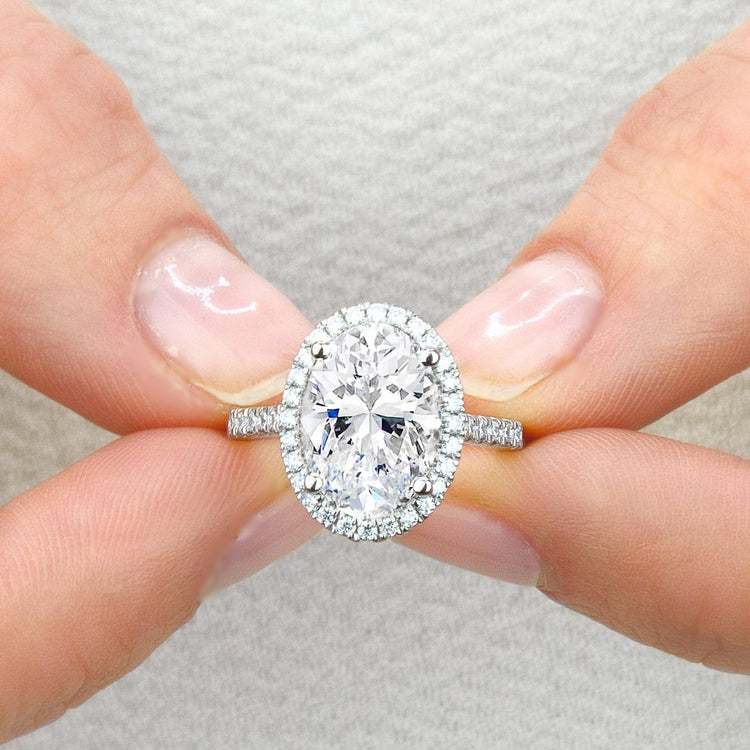
This is especially noticeable with diamond jewelry.
A diamond may not have lost its brilliance at all—it may simply be hidden beneath everyday buildup.
What Is The Safest Way To Clean Jewelry At Home?
For many jewelry pieces, warm water and mild dish soap remain the safest starting point.
-
Fill a small bowl with warm water and add a few drops of gentle dish soap.
-
Allow the jewelry to soak for approximately 15 to 20 minutes.
-
After soaking, use a soft toothbrush to gently clean difficult-to-reach areas.
-
Rinse thoroughly and dry with a soft lint-free cloth.
If you are ever uncertain about a piece, start with the gentlest method possible.
Jewelry rarely benefits from aggressive cleaning.
Can You Use Jewelry Cleaner From The Store?
Sometimes.
Commercial jewelry cleaners can be effective, but they are not universal solutions.
Many products work well for diamonds and certain precious metals while being unsuitable for softer gemstones.
Before using any cleaning solution, make sure it is appropriate for both the metal and the gemstones in your jewelry.
When in doubt, a mild soap solution is often the safer option.
Can You Clean Diamond Jewelry At Home?
Yes, in many cases.
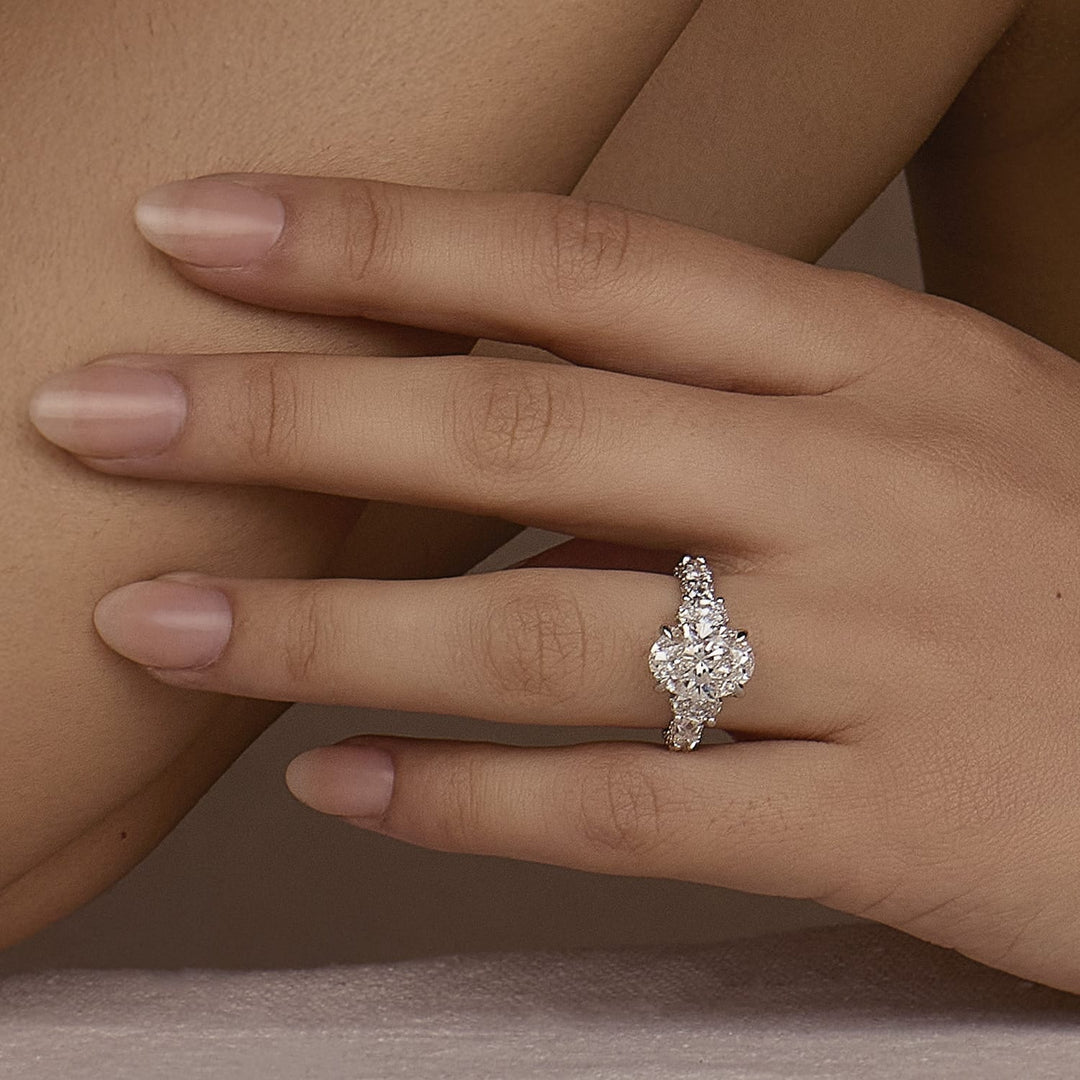
Diamonds are among the most durable gemstones used in jewelry.
They also tend to attract oils quickly.
This is why diamond rings, earrings, and pendants often lose their sparkle gradually rather than suddenly.
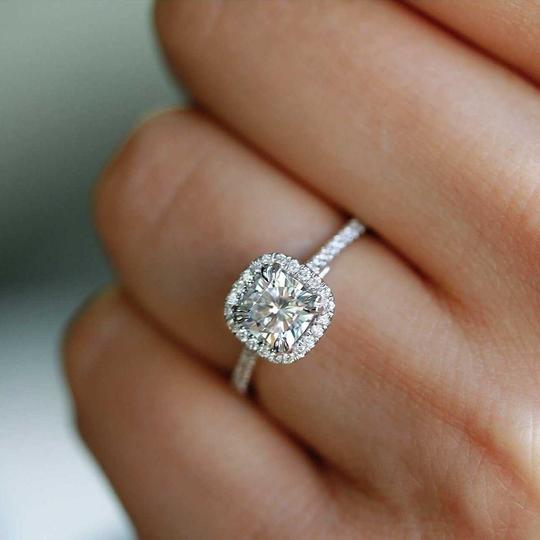
Careful cleaning underneath the stone and around the setting is often where the biggest improvement occurs.
Many people focus only on the top of the diamond while overlooking the areas where buildup accumulates most heavily.
Expert Tip
If a diamond suddenly appears dull, look underneath it before assuming something is wrong with the stone itself.
Often, a simple cleaning restores much of its brilliance.
Can Every Gemstone Be Cleaned The Same Way?
Definitely not.
This is one of the most important things to understand before cleaning jewelry at home.
Some gemstones are extremely durable.
Others are surprisingly delicate.
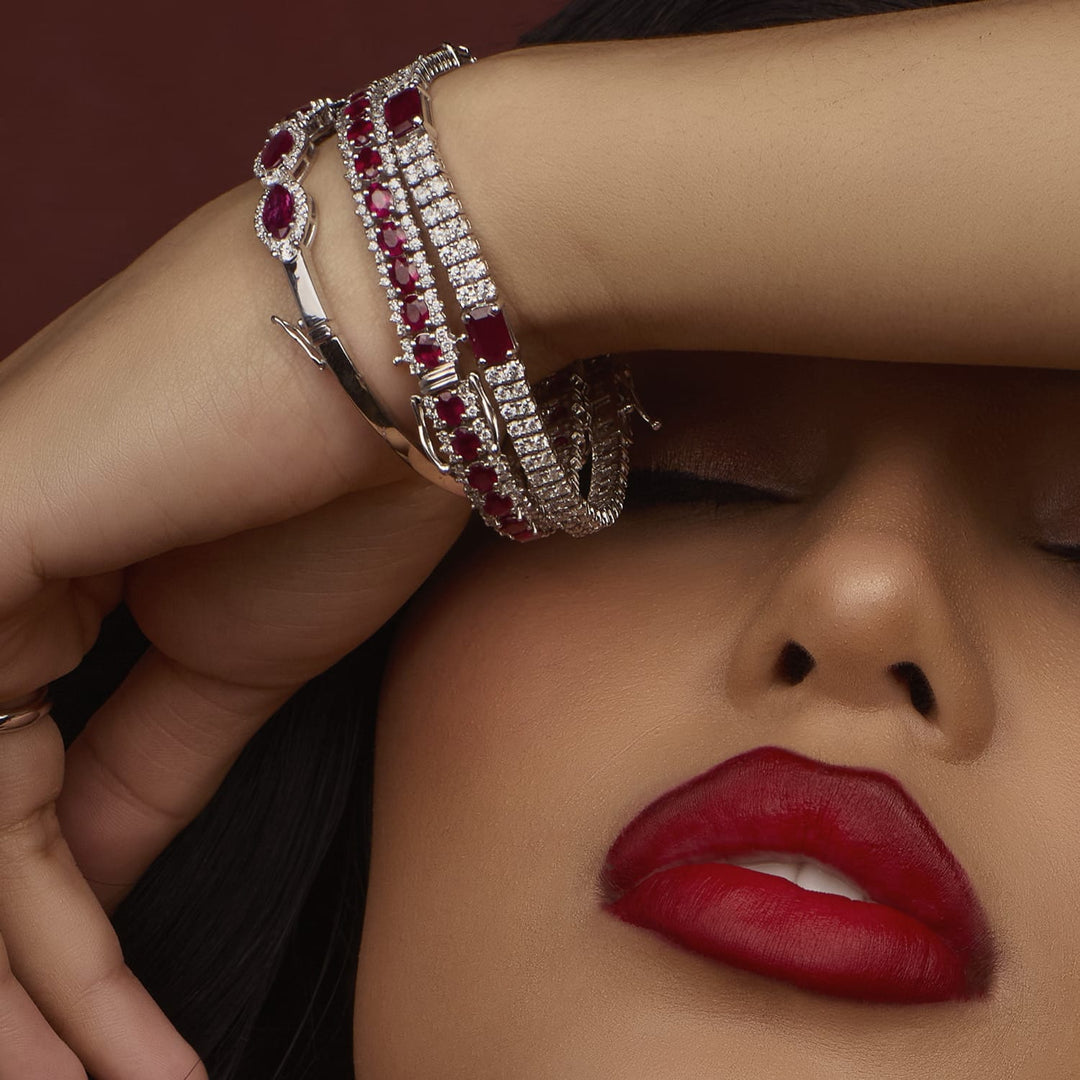
Generally speaking, diamonds, sapphires, and rubies tolerate routine cleaning well.
Gemstones such as pearls, opals, turquoise, emeralds, coral, and certain vintage stones often require greater care.
What works beautifully for a diamond ring may not be appropriate for a pearl ring or an heirloom piece.
Should You Use Toothpaste To Clean Jewelry?
We generally recommend avoiding it.
Toothpaste continues to appear in online jewelry-cleaning advice, but it is rarely the best choice for fine jewelry.
Most toothpaste formulas contain abrasives designed to clean teeth.
Those same abrasives can create tiny scratches on gold, silver, platinum, and certain gemstones.
The jewelry may initially appear brighter, but repeated use can gradually affect the finish.
There are safer alternatives.
Is Baking Soda Safe For Jewelry?
Sometimes, but it is not something we routinely recommend.
Baking soda is mildly abrasive.
While it may be suitable for certain household cleaning projects, fine jewelry requires a more cautious approach.
A practical rule jewelers often follow is simple: if a product cleans by abrasion, it should be used carefully around precious metals and gemstones.
Gentle cleaning usually produces better long-term results.
Why Does My Jewelry Still Look Dull After Cleaning?
If your jewelry remains dull after cleaning, dirt may not be the issue.
Several possibilities exist:
-
Surface scratches on the metal
-
Worn rhodium plating on white gold
-
Buildup trapped in inaccessible areas
-
Damage to the finish
-
Loose or worn settings
This is particularly common with jewelry that has been worn daily for many years.
Sometimes what appears to be dirt is actually normal wear that requires professional attention.
From The Jeweler's Bench
A piece of jewelry can be perfectly clean and still benefit from professional polishing or maintenance. Cleaning restores sparkle. Restoration addresses wear.
How Often Should You Clean Jewelry At Home?
For jewelry worn daily, a light cleaning every few weeks is often sufficient.
However, your lifestyle plays a role.
If you regularly use lotions, exercise while wearing jewelry, cook frequently, or spend time outdoors, buildup may occur more quickly.
Consistent, gentle cleaning is usually better than infrequent, aggressive cleaning.
When Should You Avoid Cleaning Jewelry Yourself?
There are situations where home cleaning should pause until a jeweler can inspect the piece.
Be cautious if you notice:
-
Loose gemstones
-
Bent prongs
-
Missing accent stones
-
Cracks in gemstones
-
Excessive wear
Cleaning may seem harmless, but brushing and handling can worsen existing issues.
Addressing these concerns early often prevents more significant repairs later.
What Jewelry Should Be Professionally Cleaned?
Some jewelry benefits tremendously from professional care.
This often includes:
-
Antique jewelry
-
Heirloom jewelry
-
Designer collections
-
Jewelry with delicate gemstones
-
Intricate custom jewelry creations
-
High-value diamond jewelry
Professional cleaning allows for a detailed inspection that simply cannot be replicated at home.
Jewelry Cleaning At A Glance
|
Jewelry Type |
Home Cleaning Recommendation |
|
Gold Jewelry |
Warm water and mild soap |
|
Diamond Jewelry |
Home cleaning is often appropriate |
|
Sapphire And Ruby Jewelry |
Usually safe with gentle cleaning |
|
Pearl Jewelry |
Professional guidance recommended |
|
Opal Jewelry |
Extra caution required |
|
Antique Jewelry |
Professional evaluation preferred |
|
Jewelry With Loose Stones |
Inspection before cleaning |
A Perspective We Often Share About Jewelry Care
Many people think jewelry cleaning is purely about appearance.
In reality, it is also about preservation.
Regular cleaning gives you an opportunity to examine your jewelry closely. You notice when a prong begins to wear. You notice when a stone feels loose. You notice small changes before they become major concerns.
The habit of caring for jewelry often contributes just as much to its longevity as the cleaning itself.
How To Keep Your Jewelry Looking Beautiful For Years
Learning how to clean jewelry at home is valuable because it helps preserve the beauty you see every day.
For most pieces, warm water, mild soap, and patience are all that is needed.
The more important skill is knowing when a piece requires something more than cleaning.
At Nazar's & Co. Jewelers, we believe fine jewelry deserves thoughtful care. Whether you wear a favorite pair of diamond earrings, a cherished family heirloom, one of our in-house designs, or a custom jewelry creation, proper maintenance helps protect both beauty and craftsmanship.
If you would like guidance on caring for a specific piece, explore our fine jewelry resources through the Nazar's & Co. Jewelers Blog, schedule a consultation through the Appointment Scheduling Page, or connect with our knowledgeable team through the Contact Page. Sometimes the best jewelry care begins with a simple conversation.